5 Key Safety Practices to Follow on a Construction Site
1. Define Your Project Scope
The foundation of any good budget is a clear scope. Before crunching numbers, define what you want to achieve: the size of the project, desired features, quality standards, and timeline. A well‑defined scope prevents scope creep the gradual expansion of project requirements that leads to rising costs. Include functional requirements (e.g., number of rooms, facilities, or features) and design intent (aesthetic preferences, finishes, materials). The clearer the scope, the more accurate your budget will be.
2. Conduct a Feasibility Study
Before diving into budgets, evaluate whether your project is feasible. A feasibility study assesses site conditions, regulatory requirements, and market factors. It answers crucial questions: Is the land suitable? What are the zoning restrictions? How will utilities be managed? This step ensures your budget isn’t wasted on a plan that can’t be built. By understanding external factors upfront, you save time, money, and avoid painful redesigns later.
3. Develop a Preliminary Budget
Your preliminary budget is an early cost model based on rough estimates, historical data, and project benchmarks. This is not your final number but a working estimate that guides decision‑making. It should include construction costs (materials, labor, subcontractors), soft costs (permits, legal fees, design fees), and allowances for contingencies.
At this stage, engage with professionals architects, engineers, or cost estimators who can provide insight into realistic figures. Their expertise helps refine assumptions, identify cost drivers, and balance design aspirations with budget realities.
“A sound budget does more than track numbers it gives direction, enforces discipline, and turns intention into measurable action. In construction, budgeting is the bridge between idea and delivery: it allocates resources deliberately, anticipates risks, and keeps every stage accountable so design goals become completed works on time and within cost.”
John C. Maxwell
- SilverCloud Group
4. Break Down Costs into Categories
Breaking down costs into clear categories improves transparency and control. Common categories include:
Direct Costs:
Materials, labor, and subcontractor fees.
Indirect Costs:
Site management, temporary facilities, insurance.
Soft Costs:
Design fees, permits, approvals, and legal costs.
Contingency:
Funds set aside for unforeseen expenses.
Escalation:
Allowances for inflation and market price changes.
This structure makes it easier to track spending and spot overruns early. For larger projects, cost breakdowns should follow industry standards such as CSI MasterFormat or RICS classifications.
5. Build a Realistic Timeline
Time is money in construction. A well‑planned schedule aligns activities with financial planning, ensuring cash flow keeps pace with progress. Delays often result in cost escalation labor charges, equipment rentals, and penalties.
Start by identifying major milestones: design completion, permitting, site prep, foundation, structure, finishing, and handover. Each milestone should have realistic durations and dependencies. Use project management tools (like MS Project or Primavera) to create a Gantt chart that visualizes the timeline. This helps coordinate trades, reduce idle time, and keep budgets on track.
6. Monitor and Adjust the Budget
Even the best budget is not static. Construction is dynamic, and costs can shift due to material shortages, regulatory changes, or weather delays. Continuous monitoring ensures your budget reflects reality.
Set up a cost tracking system spreadsheets for small projects or specialized software for larger ones. Compare planned vs. actual costs regularly. If deviations occur, investigate promptly and take corrective action. Transparency with stakeholders at every stage builds trust and reduces disputes. Remember: catching problems early is always cheaper than fixing them late.
7. Include Risk Management & Contingency Planning
Construction is full of uncertainties soil conditions, supply chain issues, design changes. Ignoring risk is one of the fastest ways to blow a budget. Instead, identify risks early and assign contingency plans.
Conducting thorough site investigations.
Securing multiple supplier and subcontractor quotes.
Adding contingency allowances (5–15% of project costs depending on complexity).
Using fixed‑price contracts where possible.
Maintaining insurance coverage for unexpected events.
By planning for the unexpected, you ensure your project remains financially resilient.
Conclusion
Planning and budgeting for a construction project is not a one‑time exercise but an ongoing process. From defining scope and feasibility to monitoring budgets and managing risks, each step contributes to project success. A well‑structured plan not only saves money but also reduces stress, improves collaboration, and ensures your vision becomes reality within time and cost limits.
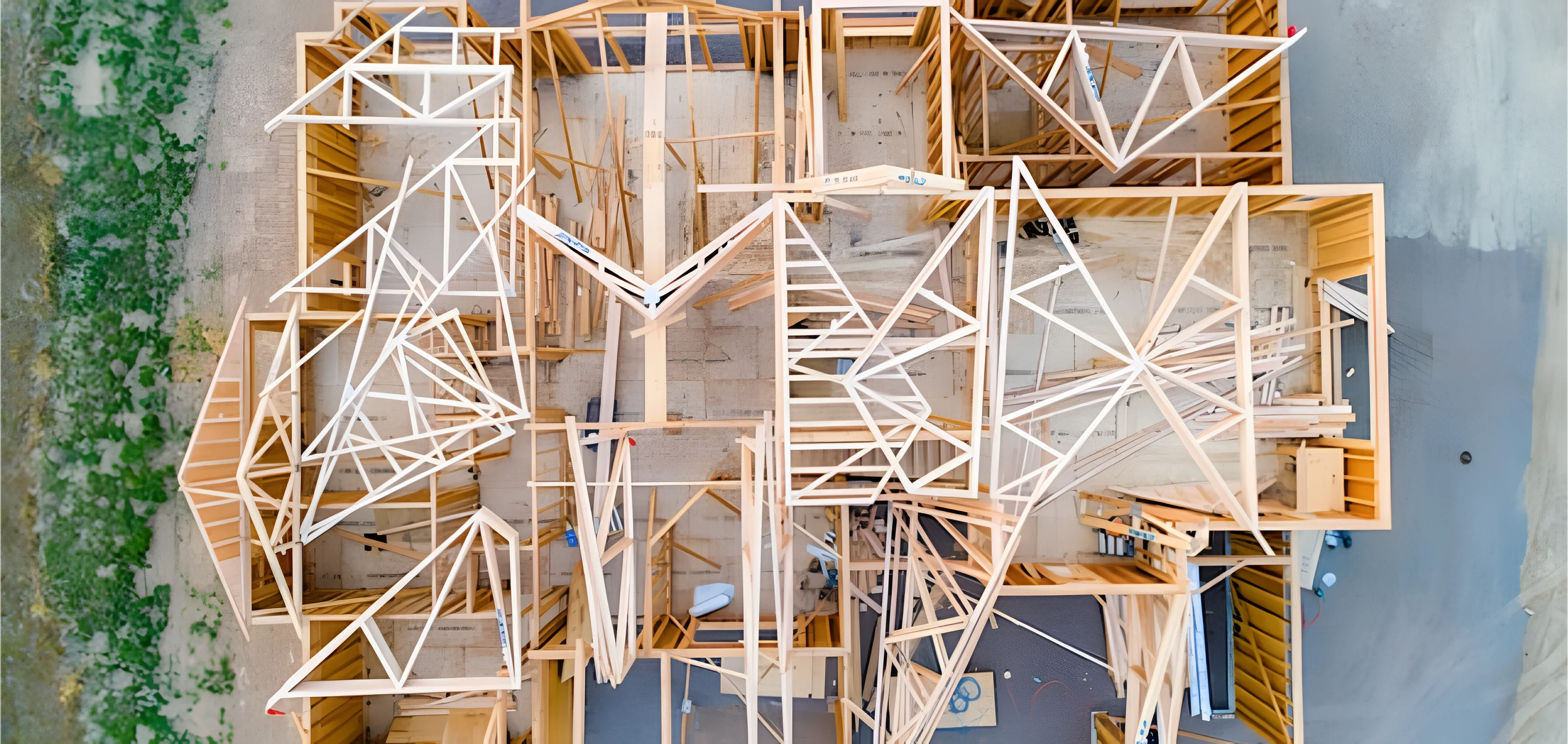
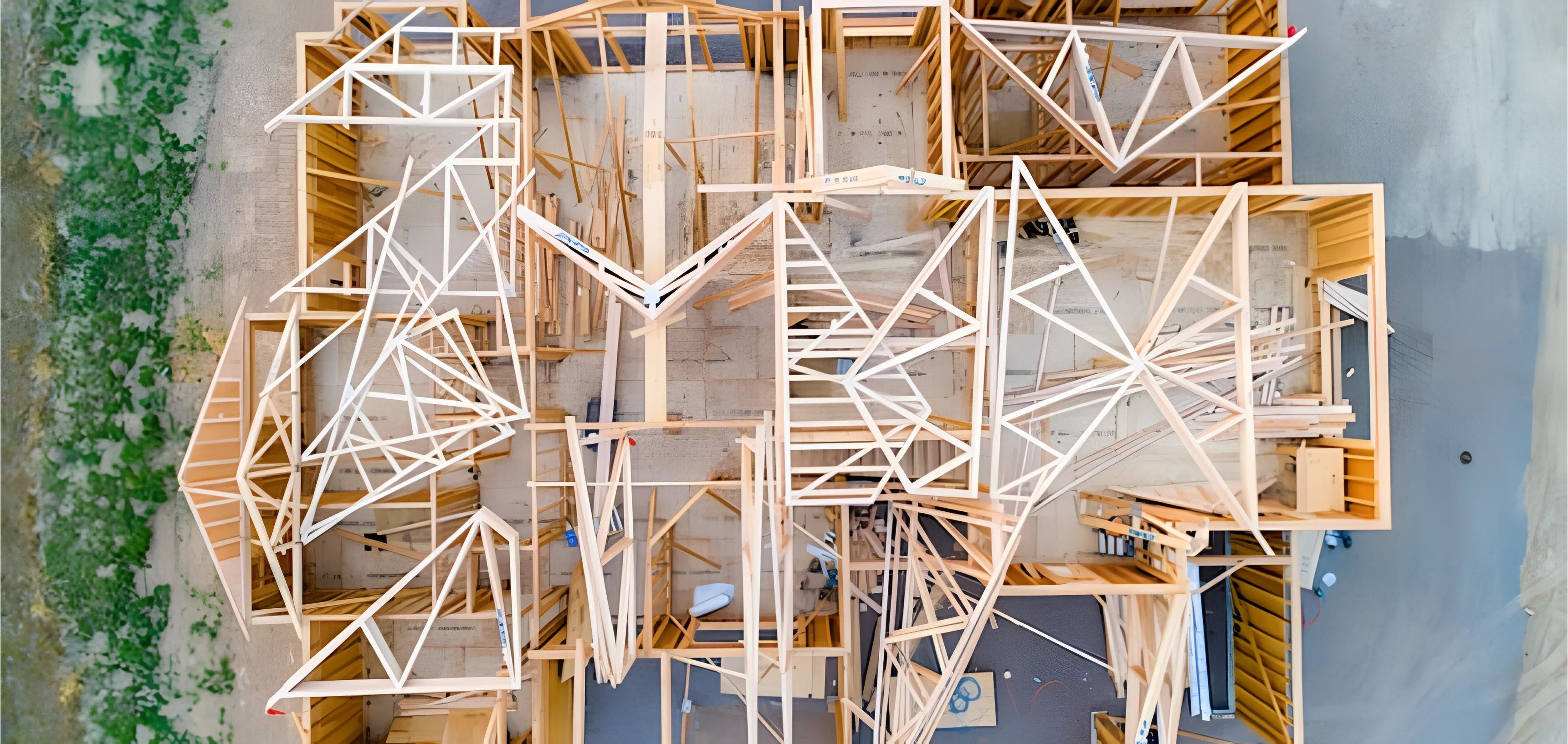
Every successful construction project begins long before the first brick is laid it starts with careful planning and budgeting. Without a solid financial roadmap, even the best design can falter under unexpected costs or mismanagement. In this guide, we break down the key steps to plan, budget, and execute your construction project with confidence.
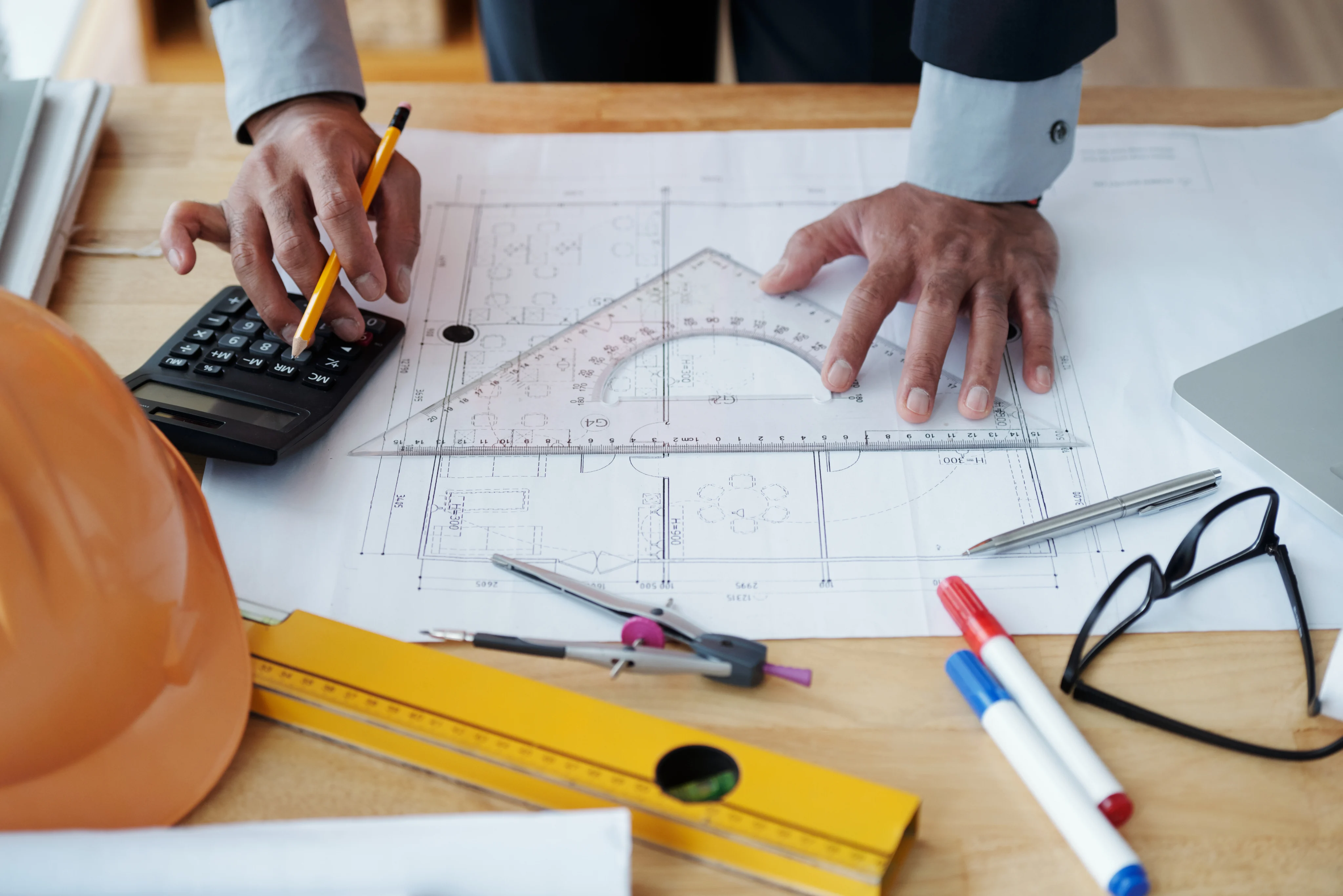
Accurate cost estimation is the backbone of any successful construction project. Whether you're estimating a small residential renovation or a large commercial build, good estimates control budgets, manage client expectations, and reduce the risk of costly overruns. This guide walks you through the types and methods of estimates, the estimation process, common cost items, helpful tools, a worked example, and practical tips to improve accuracy.
15% Off
New Project
Experience modern living like never before
- Launch Offer -
Book before
30th October
and get exclusive early-bird discounts!
We Use Cookies
Our website uses cookies to enhance your browsing experience, analyze site traffic personalize content. By using our site, you consent to our cookie policy.
At Orion Construction, cookies are our digital building blocks. Some keep the site standing strong, while others help us improve performance and tailor your experience.
Manage Consent Preferences:
Help us lay the foundation for relevant content and project updates by showing you information tailored to your interests.
Like quality checks on a job site, these cookies let us measure traffic and monitor how our website is performing so we can keep improving. performing so we can keep improving.
The core framework of the website without these, the site can’t function. These cookies keep navigation, security, and basic services running.
These cookies are like the finishing touches remembering your preferences (such as location or settings) to give you a smoother, more customized visit.






programmer 11
- 11 Dec, 2025 12:28pm
Replywqdqwdqwdqdd